
Solar Panels in Quetta: A 2026 Guide to Going Off the Grid at Altitude
If you live in Balochistan’s capital, you already know the two things that define daily life here: brilliant, unrelenting sunshine and an electricity supply that cannot keep up. That combination is exactly why installing solar panels in Quetta has moved from a luxury to a genuinely practical decision for homes, clinics, and small businesses in 2026. This guide walks through what actually works at Quetta’s altitude, what it costs, and how to avoid the mistakes that sink first-time buyers.
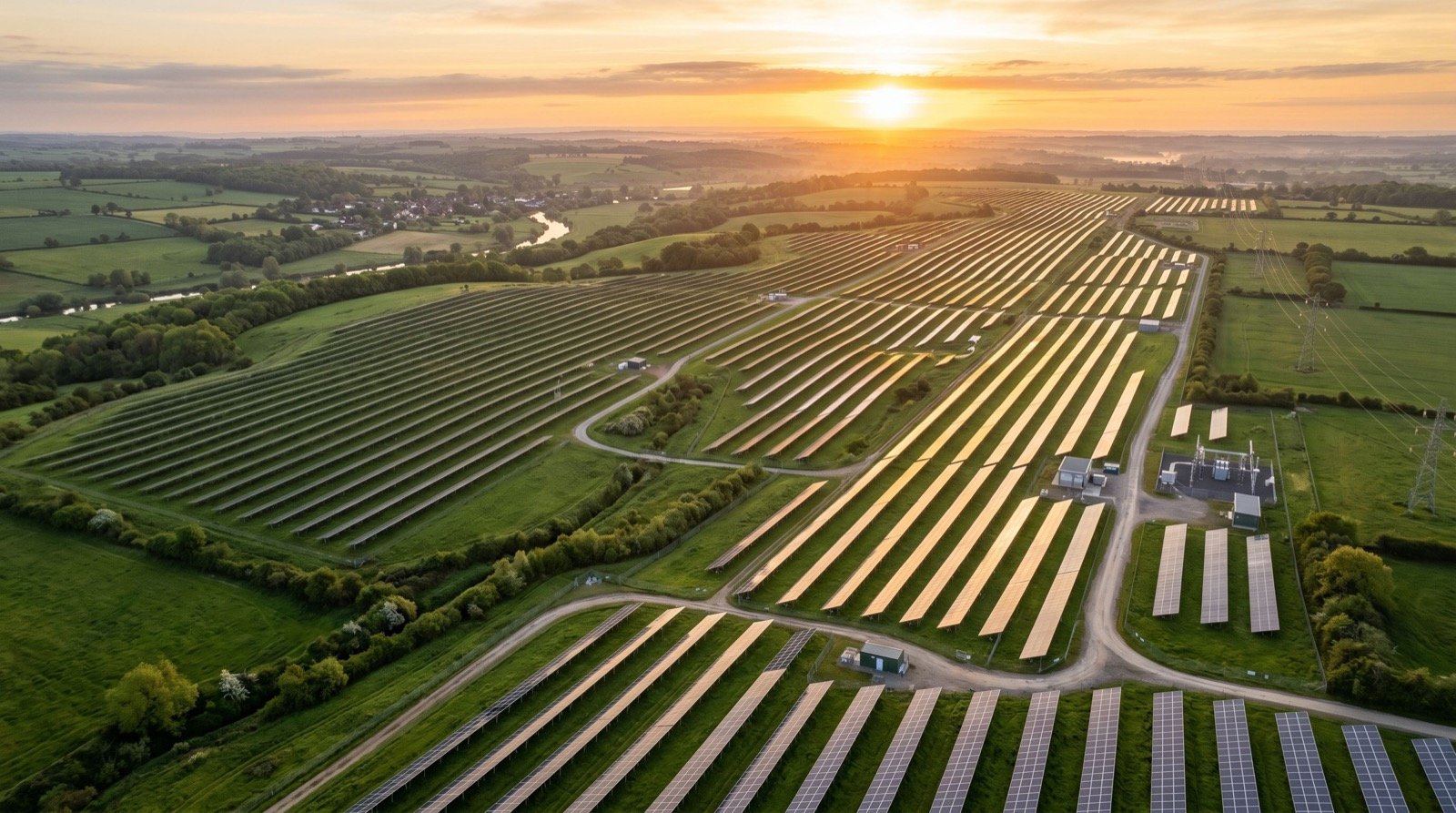
Quetta sits at roughly 1,680 metres above sea level, and that elevation is a quiet advantage. Thinner, cooler air means panels run closer to their rated output than they would in the humid heat of the coast. Pair that with more than 300 clear days a year, and the city is one of the strongest solar markets in the country.
Why Solar Panels in Quetta Make Financial Sense in 2026
The headline reason is simple: load-shedding. Extended outages during both the summer peak and the freezing winter evenings push families toward expensive diesel generators and UPS batteries. A properly sized solar system replaces most of that fuel spend within a few years.
Pakistan’s grid-tied net metering framework, administered under the national regulator, lets you export surplus daytime generation back to the grid and draw credits against your night-time use. You can read the regulator’s own consumer material on the NEPRA website before you sign anything.
Here is a realistic snapshot of what Quetta households are installing this year:
- Small home (3 kW): runs lights, fans, a fridge, and a TV comfortably through daytime hours.
- Mid-size home (5–6 kW): adds an inverter AC and a washing machine, the most popular bracket in 2026.
- Shop or clinic (10 kW+): covers refrigeration, pumps, and point-of-sale equipment with headroom to spare.
How Much Do Solar Panels Cost in Quetta?
Prices move with the rupee and panel import rates, but the ranges below reflect typical installed quotes in the Quetta market during 2026. These include panels, an inverter, mounting, wiring, and labour. Lithium battery backup is listed separately because not every buyer needs it.
| System Size | Approx. Installed Cost (PKR) | Typical Daily Units | Best For |
|---|---|---|---|
| 3 kW grid-tied | 650,000 – 820,000 | 12–15 kWh | Small families |
| 5 kW grid-tied | 1,000,000 – 1,300,000 | 20–26 kWh | Standard households |
| 10 kW hybrid | 2,100,000 – 2,700,000 | 42–52 kWh | Shops & clinics |
| Lithium battery (5 kWh) | +350,000 – 480,000 | — | Backup during outages |
A grid-tied 5 kW system in Quetta usually pays for itself in roughly four to six years, after which the electricity is effectively free for the remaining two-decade panel life. That payback is faster than in many lower-irradiance cities thanks to the local sun.
What drives the price up or down?
Panel tier matters most. Tier-1 monocrystalline modules cost more upfront but hold their output better in Quetta’s cold, dusty conditions. The inverter brand, the length of your cable runs, and whether your roof needs reinforced mounting all shift the final figure. Beware quotes that look suspiciously cheap, because they almost always hide thin cabling or an undersized inverter.
Designing a System for Quetta’s Climate
Quetta is not Karachi, and a system copied from a coastal brochure will underperform here. Three local factors deserve attention.
Cold winters: panels love the cold and actually gain efficiency, but batteries hate it. Lithium chemistry loses capacity below freezing, so battery banks belong indoors or in an insulated enclosure.
Dust and grit: Balochistan’s dry winds leave a film on glass that can shave 10–20% off output if ignored. A quick rinse every few weeks restores it.
Snow load: occasional heavy snowfall means your mounting structure must be rated for the weight, and a steeper tilt angle helps snow slide off while also optimising the low winter sun.
- Size the array to your winter demand, not your summer average, because winter is when outages bite hardest.
- Tilt panels near 35–40 degrees facing south to balance summer and winter yield.
- Choose an inverter with a wide MPPT voltage range to handle cold-morning voltage spikes.
- Insist on a monitoring app so you can spot a failing string before it costs you units.
Choosing an Installer You Can Trust
The hardware is only half the project. A clean installation, correct earthing, and a properly filed net-metering application separate a system that lasts twenty years from one that fails in two. Look for a company with verifiable Quetta installations, a written performance warranty, and after-sales service based in the region rather than a number that stops answering after payment.
It also helps to compare notes with people who document their own purchases. The team behind these dependable specialists break down the kind of due diligence that applies just as well to a solar contract as to any other large household investment.
If you have properties or family in other cities, the same vetting logic applies there too. Demand matched by quality supply is why services offering solar panels in Faisalabad and across Punjab have grown alongside the Balochistan market this year.
Frequently Asked Questions
How many solar panels do I need for a house in Quetta?
A typical Quetta home with fans, a fridge, and one inverter AC runs well on a 5 kW system, which is roughly 9 to 11 modern 550-watt panels. Add more if you run a water pump or electric heating in winter.
Do solar panels work during Quetta’s cold winters?
Yes, and they often perform better. Solar panels convert light, not heat, so the cold, clear winter air actually improves their electrical efficiency. The main winter concern is keeping battery storage warm, not the panels themselves.
Is net metering available in Quetta?
Net metering is available to grid-connected consumers through your distribution company under the national framework. A reputable installer will handle the application, the bi-directional meter, and the approval paperwork on your behalf.
How long do solar panels last?
Quality monocrystalline panels carry 25-year performance warranties and routinely keep working beyond that at reduced output. The inverter is the component most likely to need replacement, usually after 8 to 12 years.
Do I need batteries in Quetta?
Not necessarily. A grid-tied system without batteries gives the fastest payback and still covers your daytime load. Add a small lithium battery only if you want essential circuits to keep running through evening outages, and remember to house it somewhere protected from the winter cold.
The Bottom Line
For a city blessed with high-altitude sunshine and cursed with an unreliable grid, solar panels in Quetta are one of the clearest wins available to a household budget in 2026. Size the system for your winter load, buy Tier-1 hardware, insist on proper net-metering paperwork, and choose an installer with a local track record. Do that, and you convert Balochistan’s abundant sun into years of lower bills and dependable power.