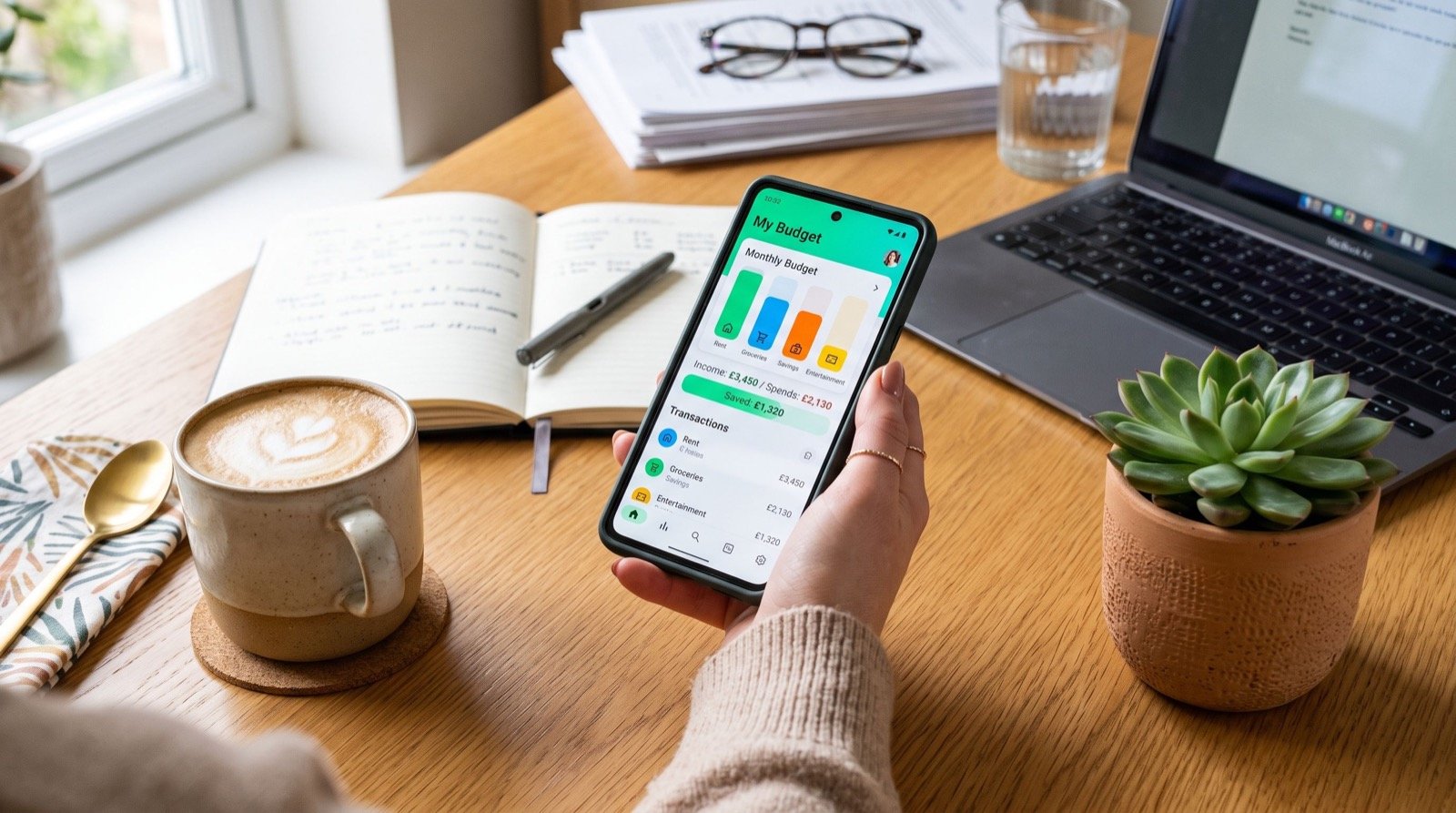

Personal Finance Tips for First-Time Investors in 2026
Learning solid personal finance tips before you invest a single dollar is the difference between building wealth and chasing losses. In 2026, apps have made the stock market accessible to anyone with a phone, but easy access does not mean easy success. The most valuable personal finance tips for beginners focus on fundamentals: clearing high-interest debt, building a safety net, and understanding risk before you buy your first fractional share. This guide lays out a practical, beginner-friendly path so you start investing with confidence instead of fear, and avoid the costly mistakes that trip up newcomers.
Investing is not about picking the next hot stock. It is about consistent habits, patience, and a clear understanding of your own goals. Master the basics first, and the returns follow far more reliably.
Personal Finance Tips to Follow Before You Invest
Jumping into the market before your foundation is solid is a classic error. The U.S. Securities and Exchange Commission’s investor education resource stresses that beginners should understand fees, diversification, and risk tolerance before investing, and you can explore their guidance at Investor.gov. Before you open a brokerage account, make sure these pieces are in place.
- Emergency fund first: Keep three to six months of expenses in cash so you never sell investments at a loss during a crisis.
- High-interest debt cleared: Paying off a card charging twenty percent beats almost any market return.
- Clear goals: Know whether you invest for retirement, a home, or long-term growth.
- Risk tolerance: Understand how you react when prices fall, because they will.
- A budget that works: Invest only money you will not need soon.
These personal finance tips are not glamorous, but they protect you from the panic selling that destroys beginner portfolios. Build the foundation, then let time and compounding do the heavy lifting.
Starting Small With the Right Tools
You do not need thousands of dollars to begin. Many apps let you buy fractional shares with as little as a few dollars, which means you can own a slice of a major company without buying a full share. Beginners often start inside a payment platform they already use, then branch into investing. If that is your route, a clear Cash App guide can walk you through enabling the investing feature, understanding settlement times, and recognizing which fees apply so your small balance is not eroded before it grows.
The power of starting small is psychological as much as financial. Putting even ten dollars into a diversified fund teaches you how the market moves without risking money you cannot afford to lose. Once the habit forms, increasing your contributions feels natural.
A Step-by-Step Plan for Your First Investment
Follow this numbered plan to make your first investment with a clear head and a long-term mindset.
- Confirm your foundation. Emergency fund funded, high-interest debt gone, budget stable.
- Choose a low-cost account. Look for low or zero commissions and transparent fees.
- Start with diversification. An index fund or ETF spreads risk across many companies at once.
- Automate contributions. Set a small recurring investment so you buy consistently in all markets.
- Ignore the noise. Avoid reacting to daily headlines; think in years, not days.
- Review annually. Rebalance once a year rather than tinkering constantly.
The discipline of planning before acting applies everywhere. When people hire reliable local experts for an important purchase, they research first and commit second. Investing rewards the same patience: do your homework, start steady, and resist the urge to chase every trend.
Understanding Risk and Return
Every investment carries a trade-off between risk and reward. The table below shows how common beginner options generally compare in 2026, so you can match choices to your comfort level.
| Option | Risk Level | Typical Use | Liquidity |
|---|---|---|---|
| High-yield savings | Very low | Emergency fund | High |
| Index funds / ETFs | Moderate | Long-term growth | Medium |
| Individual stocks | High | Experienced investors | Medium |
| Bonds | Low to moderate | Stability and income | Medium |
Mistakes First-Time Investors Must Avoid
The biggest beginner mistake is trying to time the market. Even professionals rarely predict short-term moves, and jumping in and out usually locks in losses and triggers extra fees. Instead, invest regularly regardless of price, a strategy that smooths out the highs and lows over time. The second mistake is putting everything into one stock because it feels exciting. Concentration magnifies risk; diversification tames it.
Another common error is ignoring fees. A fund charging high annual costs can quietly consume a large share of your returns over decades, so favor low-cost options. Beginners also tend to panic when the market dips and sell at the worst possible moment. Remember that downturns are normal and temporary for long-term investors. Finally, do not invest money you will need within a year; the market can fall right when you need the cash. These personal finance tips keep your first years calm and productive.
Frequently Asked Questions
What personal finance tips matter most before investing?
Build an emergency fund, eliminate high-interest debt, and set clear goals first. These steps protect you from being forced to sell investments during a crisis. Once your foundation is secure, you can invest steadily without the stress that derails most beginners.
How much money do I need to start investing?
Thanks to fractional shares, you can start with just a few dollars. The amount matters less than the habit. Begin small, automate regular contributions, and increase them as your income and confidence grow over time.
Are investing apps safe for beginners?
Reputable apps are regulated and use strong security, but you should still verify the provider and enable two-factor authentication. The SEC’s Investor.gov recommends checking fees and understanding what you are buying before committing any money.
Should I pick individual stocks or funds?
For most beginners, diversified index funds or ETFs are safer because they spread risk across many companies. Individual stocks carry higher risk and require more research. Start broad, then explore individual picks only once you understand the basics.
Final Thoughts and Your Next Step
The most powerful personal finance tips for new investors are also the simplest: build your foundation, start small, diversify, and stay patient. In 2026, the tools to invest are at your fingertips, but success still depends on discipline and a long-term view. Confirm your emergency fund today, clear any high-interest debt, and set up a small automatic contribution into a diversified fund. Read a trusted guide before linking your accounts, ignore the daily noise, and let compounding work quietly in your favor. Your first investment does not have to be large; it just has to be smart. Take that first step now.